
Notes for grown-ups
Will the Leaf Float? A Little Wonder
Make a little guess, watch a leaf float, and share the happy feeling of finding out together. A new story for ages 2–5.
Read the article ↗ Plumble’sworld™
Reading for parents, caregivers, and educators from the Plumble’s World journal.
Notes for grown-ups
Make a little guess, watch a leaf float, and share the happy feeling of finding out together. A new story for ages 2–5.
Read the article ↗
Notes for grown-ups
You say it forty times before lunch. There's a real study behind why the wording might matter, a follow-up that traced it to fourth grade, and a good reason not to lie…
Read the article ↗Notes for grown-ups
It happens in front of everyone, and the shame arrives faster than the words do. What a large Quebec study found about hitting and biting in the third year, and why it…
Read the article ↗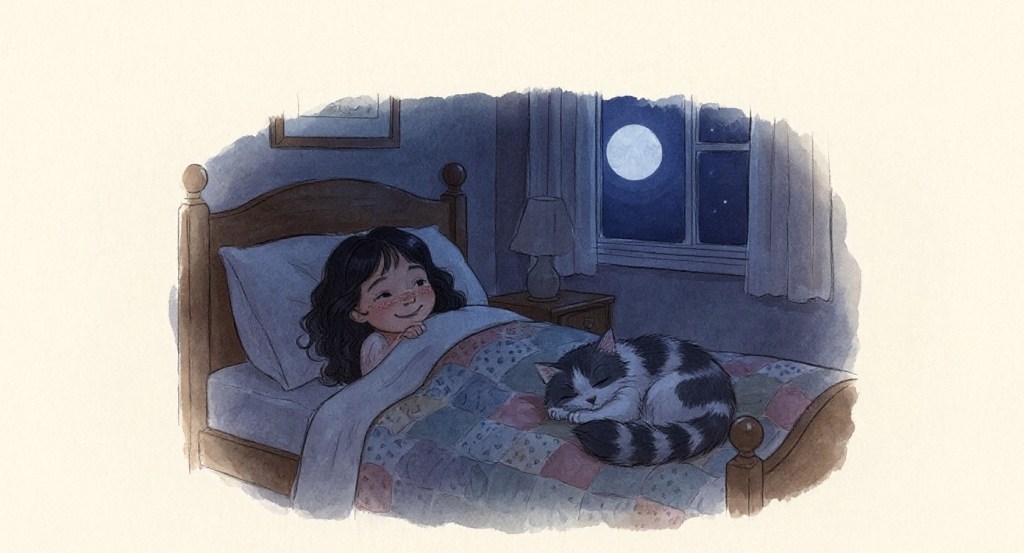
Notes for grown-ups
Some children fight bedtime because they aren't sleepy yet, and no amount of firmness fixes a body that isn't ready. What toddler body-clock research shows, and how to move bedtime without losing…
Read the article ↗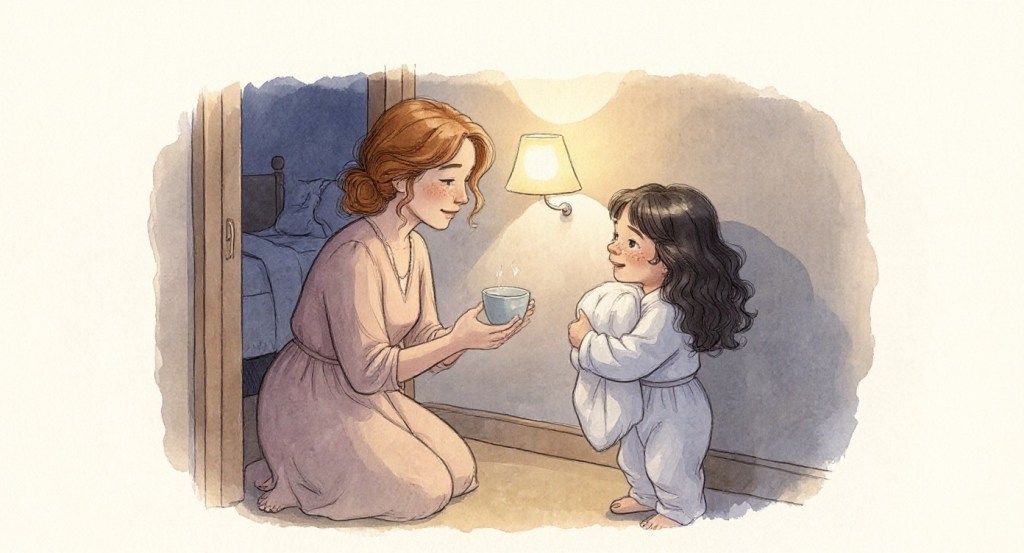
Notes for grown-ups
The light goes off and the requests begin. One more water, one more hug, one more urgent question about diggers. Why the stall happens, and the one bedtime trick with a real…
Read the article ↗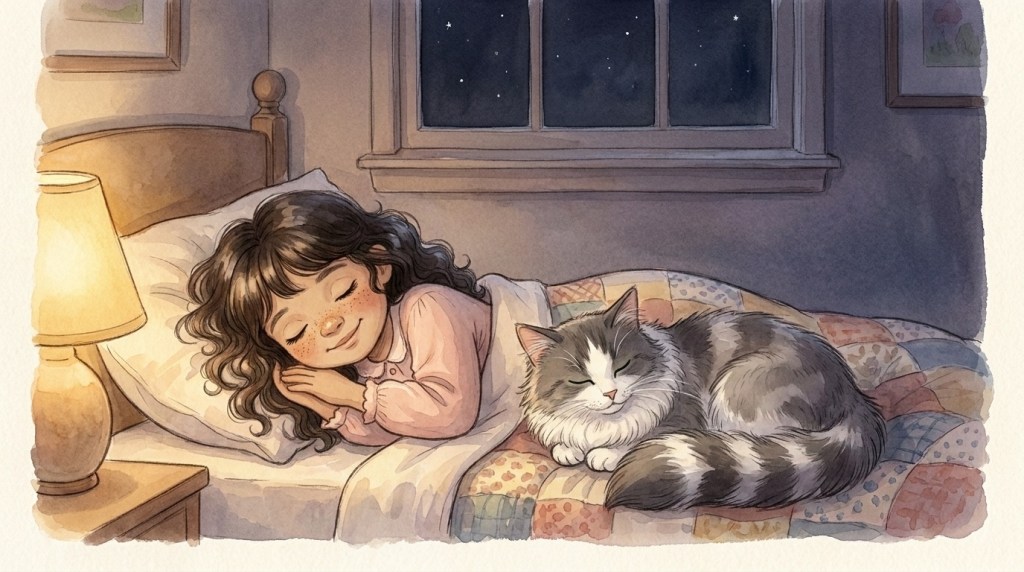
Notes for grown-ups
Your child slept through from eight months, and now somebody is at your bedside at two in the morning. It usually isn't going backwards. It's a different thing wearing the same clothes.
Read the article ↗
Notes for grown-ups
Two things are missing when a three year old can't wait, and neither of them is patience. What the marshmallow research really showed, including the part that fell apart, and three swaps…
Read the article ↗
Notes for grown-ups
The nap doesn't end, it frays. What the research says about naps at three and four, what it genuinely can't tell you, and a shape for the hole it leaves in the…
Read the article ↗
Notes for grown-ups
The marshmallow test is one of the most famous studies in psychology, and one of the most oversold. Here's what it actually found, what changed when a bigger, more careful study tried…
Read the article ↗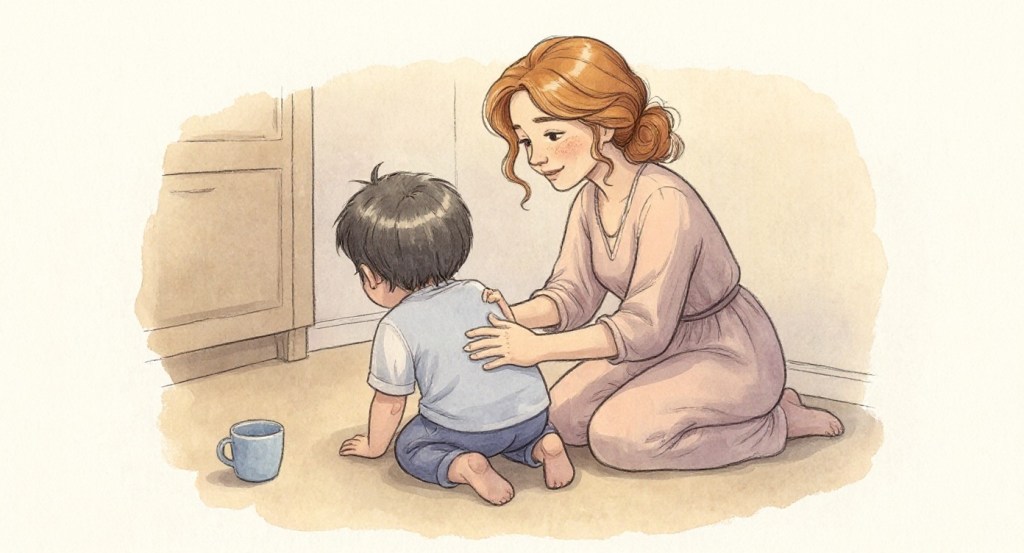
Notes for grown-ups
A meltdown gives you about ten seconds before you've already said the first thing. Here's what the emotion coaching research supports, where it runs out, and a sentence worth having ready.
Read the article ↗